Book details
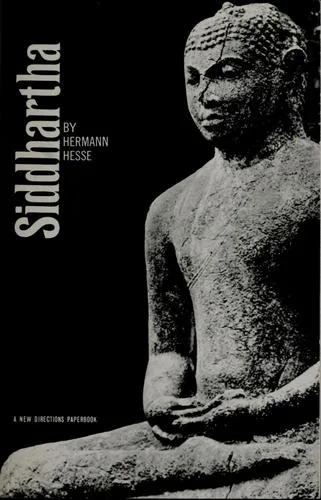
Siddhartha
by Hermann Hesse
1922
About the book
Siddhartha, a young Brahman in ancient India, abandons his high-caste life and ritualistic obligations to seek an end to personal suffering. He rejects the teachings of established masters, including Gotama Buddha, believing that wisdom is not a transferable commodity. His path shifts from the asceticism of the Samanas to years of sensory indulgence and commercial success as a merchant in the city. Eventually, he finds realization through the rhythmic flow of a river, where a humble ferryman teaches him that time is an illusion and that all life exists in a singular, simultaneous harmony.
This narrative suits individuals interested in the intersection of Eastern philosophy and individual psychology. Readers often turn to this text to examine the limitations of intellectual instruction versus direct lived experience. By following the protagonist’s transitions between spiritual poverty and material wealth, the reader gains a perspective on finding balance between internal peace and external demands. The book provides a framework for understanding maturity as a series of necessary contradictions rather than a linear progression toward a single goal.
Details
- Published
- 1922
- Language
- EN